


| Issue |
Radioprotection
Volume 61, Number 2, Avril-Juin 2026
|
|
|---|---|---|
| Page(s) | 156 - 165 | |
| DOI | https://doi.org/10.1051/radiopro/2025022 | |
| Published online | 15 juin 2026 | |
Article
Information system for monitoring occupational exposure to ionizing radiation (SISERI) in France
Division of Health Research and Expertise, Nuclear Safety and Radiation Protection Authority (ASNR), 31 Avenue de la Division Leclerc, 92260 Fontenay-aux-Roses, France
* Corresponding author: Cette adresse e-mail est protégée contre les robots spammeurs. Vous devez activer le JavaScript pour la visualiser.
Received:
16
April
2025
Accepted:
19
August
2025
Abstract
A comprehensive analysis of the Information System for Monitoring Exposure to Ionizing Radiation (SISERI) in France is presented, focusing on its origin, its evolution, regulatory framework, and recent developments in occupational radiation exposure. Established in 2005, SISERI has undergone significant transformations, including a redesign in 2023 aimed at enhancing data accuracy and accessibility. The study analyzes trends in occupational exposure from 2015 to 2023 across various sectors, including medical, nuclear, and natural radiation exposure. Results reveal fluctuations in the number of monitored workers and average annual doses, reflecting changes in workplace practices and external factors such as the COVID-19 pandemic. Some cases of exceeding regulatory dose limits of 20 mSv/year should be mentioned, mainly in the medical field. Moreover, French dosimetry data are compared to European (ESOREX) and international (UNSCEAR), noting the harmonization efforts through ISO 24426 to improve data comparability. Despite the challenges associated with transitioning to unified methods, SISERI’s data collection aligns with these standards, positioning France as a significant contributor to international radiation protection efforts. Overall, the study underscores the importance of robust monitoring systems in ensuring the safety and health of radiation workers. Radiation protection practices for workers will adapt/evolve in the coming years, especially with emerging technologies in medical applications and the challenges posed by aging nuclear facilities.
Key words: Worker / occupational exposure / average annual dose / radiological protection / ESOREX platform
© P. Lestaevel et al., Published by EDP Sciences 2026
 This is an Open Access article distributed under the terms of the Creative Commons Attribution License (https://creativecommons.org/licenses/by/4.0), which permits unrestricted use, distribution, and reproduction in any medium, provided the original work is properly cited.
1 Introduction
Given the identified risks of ionizing radiations (IR), the radiation protection of workers was included in the French regulations in 1967, then reinforced in 1975 for the nuclear industry and, in 1986 for the medical sector. Both legislations (laws) and regulations (decrees and ministerial orders) were overhauled during the final transposition into French law in 2003 of the Directives 96/29 and 97/43 Euratom and later in 2018 of Directive 2013/59 Euratom (Council Directive, 2013), directives taking into account the recommendations from international organizations such as the International Commission on Radiological Protection (ICRP) and the International Atomic Energy Agency (IAEA). It is worth noticing that the French laws and decrees related to IR are transcribed into the Labor Code since 2003, facilitating the access and the comprehension of any new or modified legislative and regulatory disposition.
Since dosimetry is a significant part of the radiological protection of workers, the French regulations made it mandatory to all organizations and companies where workers were exposed to IR to record doses. Initially dosimetric data were those of passive dosimetry with films on a monthly basis for category A workers and quarterly for category B personnel. The principle of traceability in monitoring workers’ exposure was established with a regulatory order (Legifrance, 1968) taken in application of a decree of 1967 (Legifrance, 1967), which for the first time mandated the compulsory transmission of workers’ dosimetric surveillance results to a central body responsible for their archiving. This was initially managed by the Central Service for Protection against Ionizing Radiation (SCPRI) created in 1956 and after 1994 by the Office for Protection against Ionizing Radiation (OPRI) which replaced SCPRI. This collection at the national level permitted to set up statistical data, to identify and manage the situations of doses exceeding the regulatory limits and to establish the dosimetric career of a worker whenever necessary, e.g., in case of suspicion of professional disease. Collection and transmission of data on paper sheets represented a huge amount of work since the number of workers exposed to IR already exceeded 100.000. Consultation of data was also cumbersome.
The need for a computerized database was reinforced in the 1990s following the publication of Directive 90/641 Euratom on the operational protection of outside workers exposed to the risk of IR during their activities in controlled areas (Council Directive, 1990). This directive required in the long term to transfer dosimetric data “in real time” between nuclear centers to have the knowledge of workers’ dosimetry in the previous workplace before determining and allowing their classification A or B in the new place. The first principles of such a computerized database were established by the Head Physicist of SCPRI/OPRI in charge of dosimetry (Biau, personal communication in 1996). He chose the name SISERI, i.e., the French acronym for Système d’Information de la Surveillance de l’Exposition (des travailleurs) aux Rayonnements Ionisants, for the data base register to come. The name SISERI has been used ever since.
The goals of this paper are:
First to present the register SISERI since its creation including its recent update in 2023;
Then to develop the evolution of French occupational exposure to ionizing radiation in the main activity fields over the last fourteen years (2005–2023), based on the results of annual reviews from SISERI data (annual reports are published in French on the IRSN web site https://www.irsn.fr/savoir-comprendre/sante/bilans-annuels-lexposition-professionnelle-rayonnements-ionisants-france). These reports are now also available in a digital and interactive version at the following website: exproasnr.fr. The evolution of the number of cases exceeding the annual effective regulatory dose limit (20 mSv in France) is also described;
Finally, a comparison on occupational exposure to IR between European data from the European Platform for Occupational Radiation Exposure (ESOREX) and international data from the United Nations Scientific Committee on the Effects of Atomic Radiation (UNSCEAR) is presented.
2 SISERI: History and development
The SISERI project was funded at OPRI in the late 1990s by the ministry of Labor, after the transposition in 1998 of Directive 90/641 Euratom into French regulation. In 2002, this responsibility was transferred from OPRI to the Institute of radiological protection and nuclear safety (IRSN) by the article R.4451-127 of the French Labor Code with the specific mission to centralize, verify and preserve the results of individual exposure measurements of workers (Code du travail R4451). After the completion of the software, the national register SISERI which creation is formalized by the article R 231-113 of the Labor Code (Code du travail R231) was officially launched in 2005. The software was updated after the publication of directive 2013/59 Euratom and in 2023 to improve some imperfections of the initial SISERI software when using it. The responsibility of management of SISERI has been transferred in 2024 by article R. 4451-134 of the French Labor Code (Code du travail R4451) to the Nuclear Safety and Radiation Protection Authority (ASNR) after its creation resulting from the fusion of IRSN and the French competent authority (Autorité de Sûreté Nucléaire − ASN).
2.1 Requirements for SISERI
The SISERI project was initiated to fulfill four major requirements of the French regulation: 1- each worker exposed to IR should benefit from dosimetric surveillance and especially those entering into a controlled zone should benefit from additional operational dosimetry, 2- the occupational physician, i.e., a medical doctor specialized in the evaluation of workers who classify them before they start to be appointed to a given post, should access all dosimetric data on line, 3- an access should be given to the workers to access their personal data and 4- the SISERI data base should handle all historical dosimetric data registered by SCPRI and OPRI in order to allow statistical analysis, including the reconstitution of personal data.
The minister of Labor requested OPRI to analyze the necessary requirements for this computerized database. To dimension the database, an estimation of the total number of dose values to be handled was necessary. Dosimetric data from EDF (électricité de France) workers in controlled zone of the nuclear power plants indicated that about 1.8 dose values were recorded on average every day per exposed worker. With mandatory operational dosimetry, the number of dose values to be recorded was foreseen to increase by a significant order of magnitude. Considering the total number of French workers exposed to IR and entering controlled zones, an estimate of a few tens of million dose values should be handled each year.
2.2 Functionalities of SISERI
SISERI fulfills the requirements of the French regulation regarding the prevention of the risk of exposure to ionizing radiation as indicated in articles R231-73 to R231-116 of the Labor Code (Code du travail R231) and R4451-1 to R4451-146 of the Labor Code (Code du travail R-4451) and especially the monitoring of individual worker exposure indicated in articles R4451-64 to R4451-81 of the Labor Code (Code du travail R-4451).
After the completion of the software, the national register SISERI which creation is formalized by the article R 231-113 of the Labor Code (Légifrance, 2003) was officially launched in 2005 with the following capabilities (Biau, 2011):
SISERI centralizes all the individual dosimetric measurements of workers’ exposure to IR from natural or artificial origin (including airline flight crews and radon exposure − all workers exposed to IR are concerned), according to their classification and modality of surveillance together with their administrative information (sector, profession, status, etc.). These data are transmitted online by the employers of the workers;
To ensure data confidentiality, access is restricted through secure internet access to radiological protection stakeholders. Occupational doctors and Radiation Protection Officers have access to the SISERI data of the workers they monitor. This is also the case for labor or radiological protection inspectors. Workers can also obtain their own dosimetric data after requesting it from IRSN. Since 2023, they can access it directly from the SISERI portal. To guarantee the protection of recorded data, access to SISERI is nominative (and issued to a natural person) with access rights depending on the status of the person (worker, occupational doctor, Radiation Protection Officers, etc.);
The SISERI file of a worker attached to an institution/company or acting temporarily or as external worker contains all types of dosimetric data as appropriate to the working post: synthesis (all data), whole body [Hp(10) photon, Hp(10) neutron, radon and NORM, calculated cosmic Hp(10) for flight crew], skin [Hp(0,07)], extremities [ring or wrist], eye lens [Hp(3)]and operational dosimetry [Hp(10) photon and Hp(10) neutron];
It is possible to consult each data, to load a dosimetric history, to export data for statistical analysis, to manage workers exceeding regulatory limits. In addition to the data transmitted since 2005, the SISERI database has been enriched with "historical" data digitized from various media (paper, microfiche, diskette) or already centralized in the first database developed by OPRI.
2.3 SISERI consolidation
After the official launch of SISERI in 2005, the challenge was to ensure that all doses were recorded in SISERI. Firstly, passive dosimetry (whole body, skin, extremities for all alpha (α), beta (β), gamma (γ), X-ray, neutron radiation), followed by exposure to natural radioactivity (aircrew, naturally occurring radioactive materials (NORM), radon). In 2023, in the first SISERI, over 1.8 million workers were recorded, and Figure 1 shows the progressive evolution of SISERI and worker exposure monitoring since its beginning in 1968. Alongside this primary mission of establishing the national register, the challenge was to strengthen the system to obtain contextual data such as occupation, business sector, and type of contract for workers exposed to ionizing radiation. The objective was to exploit SISERI to guide public authorities more efficiently and thus improve worker radiological protection, while maintaining this regulatory register mission. To this end, SISERI had to be enriched with contextual data. In 2008, work was done to deploy a nomenclature of business sectors and occupations in the field of ionizing radiation. Preliminary regulatory work was necessary to account for this nomenclature. The 2013 regulatory order (Légifrance, 2013) required the creation of a SISERI Employer Correspondent profile for the employer. The goal was to update worker data in SISERI based on the defined nomenclature.
In 2020, 15 years after the launch of SISERI, the DGT and IRSN noted that contextual data were not being systematically transmitted by employers despite the existing regulations. Indeed, SISERI was at the end of the chain of the worker exposure monitoring system to ionizing radiation and, even if it is mandatory, the partial transmission of data doesn’t limit employers to implement radiological monitoring of workers and dosimetry laboratories to send data. Moreover, the data transmitted to SISERI were not sufficiently controlled prior to their transmissions by dosimetry laboratories or the SISERI Employer Correspondents and cannot all be automatically consolidated. Therefore, it was decided with the support of the French Ministry of Labor to undertake the redesign of SISERI. The objective was to simplify by implementing a single entry in SISERI by controlling via application programming interface (APIs) the worker’s identification number (also called social security number, NIR) and their establishment (system for identifying the directory of establishments, SIRET).
In June 2023, the new SISERI was deployed to production (https://siseri.irsn.fr) in accordance to the regulatory order of 2023 June 23rd relating to the terms of registration and access to SISERI (Légifrance, 2023). The first six months were crucial to consolidate and improve the information system with the feedback of users. Today, SISERI is fully operational even if minor upgrades are still implemented. Since incomplete data is not integrated to SISERI, employers and accredited organizations are alerted in real-time in case of inconsistencies in the information entered. The good quality and comprehensiveness of the transmitted data is essential for the data valorization realized by IRSN to guide public authorities.
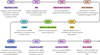 |
Fig. 1 Evolution of SISERI and worker exposure monitoring. |
2.4 Other SISERI-type information systems at the European level
Other information systems like SISERI are used in several European countries for dosimetric monitoring of workers exposed to ionizing radiation. Some examples of equivalent or similar systems at the European level were summarized in Table 1. These systems are typically maintained by national radiation protection authorities or health agencies to ensure regulatory compliance, radiation dose tracking, and worker safety. All are in accordance with Directive 2013/59/Euratom. Access for occupational doctors, employers, or authorities varies by country, but is generally provided for regulatory purposes. In some European countries, such as Belgium and Finland, there is no known official name, as is the case in France with SISERI or in Spain with CENDOS. Not all countries necessarily produce a public annual report as detailed as the one produced in France by the ASNR. In Finland, the national dose register is integrated with the national health registers to cross-reference dosimetric and medical monitoring.
Overview of some European information systems used for dosimetric monitoring of workers.
3. Evolution of occupational exposure between 2015 and 2023 in France
Since 2003, IRSN has carried out an annual review of the exposures of workers in the major fields of activity: medical, dental, and veterinary activities, the nuclear and non-nuclear industries and the research as fixed by article R4451-134 of the Labor Code (Code du travail R4451). These annual reviews are essentially carried out with centralized statistical data, verified, and stored in SISERI.
This section presents the overall results of monitoring of workers exposed to IR in France between 2015 and 2023. The survey cover all activities and workers, including self-employed workers, as well as activities submitted to natural radiation (aircrew, NORM and radon). The monitored workforce consists of workers equipped with a dosimeter with personal delayed reading stand, except aircrews of civil aviation exposed to cosmic radiation whose exposure is estimated by calculation using the SievertPN system (Bottollier-Depois et al., 2007). The doses presented are effective doses (which include doses due to external exposures and those due to internal exposures). Depending on the external dosimetry organizations, the recording thresholds for dosimeters are 0.05 mSv or 0.1 mSv. In this study, a threshold of 0.1 mSv is considered. All doses below this threshold are recorded equal to zero.
3.1 Monitored/exposed workers
The number of monitored workers tends to increase between 2015 and 2021, except in 2020 (Fig. 2). This upward trend might either reflect an expansion in activities using radioactive sources and materials or more extensive personal monitoring. The downward trend in 2020 is due to the health situation in relation to COVID-19, causing the activities decrease in all fields. In 2022, the number of monitored workers decreased (−1,5% compared to 2021). In 2023, 360 743 workers were monitored in France, which represents a decrease compared to previous years (Fig. 2). The decrease mainly concerns medical, dental, and veterinary fields. This decrease is explained by the measures taken during the overhaul of SISERI. Article R. 4451-64 of the Labor Code indicates that only the individual dosimetric monitoring (SDI) of exposed workers (classified in category A or B, exposed to radon at more than 6 mSv/year, or identified as responders in a radiological emergency situation) must be recorded in SISERI. Some establishments belonging to the field of medical, dental and veterinary activities, where many workers are not classified (more than a third of the workforce), have begun to take this article of the Labor Code into account and no longer register these workers in the new SISERI portal.
With around 60% of all monitored workers, the medical, dental, and veterinary fields are the most important field, followed by the nuclear field (around 25%). About 6% of monitored workers are exposed to natural radiation.
Besides workers without assigned activity, the “Others” category includes activities of inspection and control organizations, activities of transport of radioactive material whose used is not specified, foreign activities, management of the crisis situations (fire brigade, civil protection) and the external dosimetry laboratories. The number of monitored workers in the “Others” category has fallen since 2015, which can be explained by the fact that the activities of workers are increasingly better informed within SISERI. The “Others” category represented 13% and 5% respectively of the total number of monitored workers in 2015 and 2023 (Fig. 3f).
Exposed workers are the monitored workers having received a dose above the dosimeter recording threshold. The proportion of the exposed workers has been relatively stable since 2015 (between 23% and 25%). The proportion of exposed workers in 2023 is the most important in the natural radioactivity exposure field (around 97%), followed by the nuclear field (39%) and the non-nuclear industry field (around 16%) (Figs. 3e, 3b and 3c). It is relatively low in the research activities and in the medical and veterinary activities (resp. 8% and 13%) (Figs. 3a and 3d). In the research activity field, the proportion of exposed workers is relatively stable, except in 2023, when it decreases slightly (Fig. 3d).
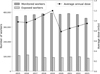 |
Fig. 2 Number of monitored workers, number of exposed workers among them (doses above the recording threshold of 0.1 mSv) and the average dose of exposed workers (mSv) in France. |
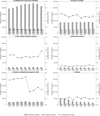 |
Fig. 3 Number of monitored workers, number of exposed workers among them (doses above the recording threshold of 0.1 mSv) and average annual dose on exposed workers, for each activity field in France. |
3.2 Average annual dose
The average annual dose is calculated from data of exposed workers (workers having received a dose above the dosimeter recording threshold), taking into account the various components of ionizing radiation (gamma, beta, neutrons).
Between 2015 and 2020, the average dose increases, except in 2020 (Fig. 2). For the same reason indicated about the decrease of the monitored workers number in 2020, the average dose also decreases in 2020. The average dose increases again between 2021 and 2023. It is, however, less than the years before COVID-19. The increase of average dose observed since 2021 is partly due to a resurgence of activities in all fields, but it is mainly due by the increase in maintenance works in nuclear field, such as ten-yearly inspections of reactors, or activities in relation with the treatment of the stress corrosion phenomenon on reactors, etc. (in 2021 and 2023) and the increase in air traffic in the natural radioactivity exposure field (in 2022).
In the medical, dental and veterinary activities, the average dose is globally stable through the 2015–2022 period, except in 2020 where it decreases (Fig. 3a). The decrease in 2020 is due to COVID-19, causing the activity decrease in medical and veterinary fields. The average dose in 2023 in this field is 0.29 mSv (as in 2022).
After an increase in 2018 and 2019, the average dose in the nuclear field decreases in 2020 and increases in 2021 (Fig. 3b). It is followed by a decrease in 2022 and an increase in 2023. In 2023, the average dose in the nuclear field is 1.35 mSv, an increase of 7% compared to 2022. As written before, the increase is due to the increase in maintenance works in relation to the ten-yearly inspections on reactors, the treatment of the stress corrosion phenomenon on reactors, etc.
In the non-nuclear industry field, the average dose fluctuates through the 2015–2023 period, with a downward trend until 2022 and a significant increase in 2023 (Fig. 3c). The average dose recorded in 2023 is 1.42 mSv (compared with 0.97 mSv in 2022). The increase in the average dose in 2023 in this field is partly due to a case where the regulatory limit for effective dose was exceeded, but this has still not been confirmed by occupational medicine. The average dose in the non-nuclear industry would be 1.21 mSv if this case of exceeding the effective dose regulatory limit is not considered.
Through the 2015–2023 period, the average dose in the research activities increases since 2017 (except in 2020 and 2023 where it decreases (Fig. 3d). Unlike other fields of activity, the average dose in 2023 in the research activities is down 21% compared to 2022.
The average dose in the natural radioactivity exposure field increases between 2015 and 2019. It fluctuates between 2020 and 2023 (Fig. 3e). The increase of average dose in this field in 2021 and 2022 is mainly due to a resurgence of activities in air traffic after the period of COVID-19. In 2023, the average dose recorded in this field is 1.17 mSv (1.41 mSv in 2022). The decrease of the average dose in 2023 compared to 2022 is perhaps due to an improvement in the alternation of the aircrews between the long-haul/medium-haul flights and the short-haul flights, the latter leading to a lower exposure. Most monitored workers in the natural radioactivity exposure field have received more than 0.1 mSv (threshold applied for the flight aircrews to be homogeneous with the workers using the dosimeters), except in 2021.
In 2023, distribution of monitored workers across activities fields is stable compared to the previous years (Fig. 4). Among the 360,743 workers monitored in 2023, medical, dental and veterinary activities remain the majority (58% of the workforce). The nuclear industry still represents around a quarter of the workforce. The natural sector represents around 6% of the workforce. The non-nuclear industry and research represent 4% and 3% of the total monitored workforce, respectively. In terms of collective dose, the two main contributors are the nuclear domain with 54% of the total collective dose and the natural domain with 31% of the total collective dose. Medical, dental and veterinary activities contribute approximately to 9.5% of the total collective dose. As regards the average annual individual doses on the exposed workforce, differences between the fields of activity remain since, as in previous years, the nuclear sector is among the fields with one of the highest values.
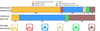 |
Fig. 4 Monitored workers (%), collective dose (%) and average dose (mSv) in 2023. |
3.3 Cases of annual effective dose exceeding the regulatory limit of 20 mSv/year (2015–2023)
Figure 5 presents the number of workers whose the annual effective dose exceeds the regulatory limit of 20 mSv per year by activities field, through the 2015–2023 period.
These results show that the number of exceeding cases between 2015 and 2023 fluctuates from year to year (between 1 and 10) (Fig. 5). It is important to notice that less than 50% of these excesses are confirmed by occupational medicine.
The number of cases of dose exceeding the limits is the largest in the medical, dental and veterinary fields, where the number of monitored workers is also the largest. The number of cases in this field fluctuates through the 2015–2023 period, between 1 and 8, except in 2016 where no case of dose excess was recorded.
Non-nuclear industry is the second most important activity field in terms of dose exceeding cases (between 1 and 2, except in 2019 and 2021 where no case has been recorded).
Since 2015, only one case of annual effective dose exceeding has been registered in the research activities in 2022 and one case in the nuclear field in 2023.
Through this period, no case of dose exceeding the limits has been recorded in the natural radioactivity exposure field.
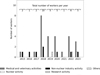 |
Fig. 5 Evolution of the number of cases exceeding the annual effective dose limit (20 mSv) between 2015 and 2023. |
4 Comparison between European and international occupational exposure (ESOREX/ UNSCEAR)
In the form of aggregated and anonymous data (number of workers monitored, average doses, sectors of activity, etc.), the data from the national SISERI database are sent to the ESOREX platform and to UNSCEAR. The objective is to monitor European and global developments in exposure, compare practices and assess the impact of regulations. ESOREX in Europe and UNSCEAR on a more international scale are two organizations responsible for the collection of dose records of workers exposed to radiation. ESOREX, the European Study of Occupational Radiation Exposure, focuses on the systematic gathering and analysis of radiation exposure data specific to European workers, employing methods tailored to regional regulations and practices. UNSCEAR operates worldwide, encompassing diverse national standards and practices in its data collection. Table 2 compares some key points on data collection.
Comparison of some key points on data collection between SISERI, ESOREX, UNSCEAR and ISO 24426.
4.1 Comparison of methods
The divergence in methods between ESOREX (https://esorex-platform.org/) and UNSCEAR (UNSCEAR, 2022), such as activity sectors or ranges of annual dose, can lead to inconsistencies in data comparability and interpretation. However, the recent publication of ISO 24426 (ISO, 2023) aims to harmonize these data collection methods, ensuring a standardized approach across different regions with different regulatory approaches. Such unification would also promote international collaboration in radiation protection research and policymaking, ultimately contributing to the improved health and safety of workers exposed to ionizing radiation worldwide.
One of the challenges in implementing the harmonized methods outlined in ISO 24426 is the potential loss of some already collected data. As existing datasets from ESOREX and UNSCEAR are based on different methods, transitioning to a unified standard might render portions of this historical data incompatible or unusable. This could lead to gaps in longitudinal studies and complicate efforts to track long-term trends in radiation exposure. Addressing this issue requires careful planning to integrate and preserve valuable information while adopting the new harmonized approach.
In this context, the French national register SISERI has been collecting dosimetric data since 2005 with a level of detail sufficient to meet the ISO 24426 standard. SISERI’s comprehensive approach ensures that collected data are robust and compatible with the harmonized methods proposed by ISO. This positions France as a key contributor to the effort of standardizing dosimetric data collection on a broader scale, facilitating better international collaboration and data comparability.
3.2 ESOREX average annual dose
Analysis of recent results collected in ESOREX Platform shows that France’s average dose closely aligns with the overall international average for the years considered (Fig. 6). The trend remains stable until the COVID-19 crisis, which caused a decrease in the average dose. In the final year (2021), the value increases, returning to the overall stable trend.
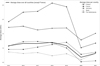 |
Fig. 6 Average dose per countries according to ESOREX platform. |
5 Discussion
In France, SISERI database constitutes the computerized national register of worker exposure, which has been enriched over the years. SISERI centralizes reference dosimetry for the longitudinal monitoring of all workers. Such a system is of major interest for the follow-up of workers’ exposure and epidemiological studies.
A SWOT analysis (strengths, weaknesses, opportunities, threats) of the SISERI system shows that:
In terms of strengths, SISERI is in accordance with the requirements of Directive 2013/59/Euratom and offers a unified platform for all individual dosimetric data for exposed workers in France. Authorized stakeholders (e.g., radiation protection officers, occupational health services, etc.) have timely access to exposure records. It enables long-term tracking of individual workers’ radiation doses, critical for medical follow-up.
In terms of Weaknesses, the system may be perceived as complex or non-intuitive by occasional users. SISERI requires rigorous data entry and validation procedures, which can be time-consuming for employers. SISERI is not interconnected with foreign systems, which can pose a problem in the event of intra-EU worker mobility.
In terms of opportunities, increased stakeholder awareness and training can improve system adoption and data quality. Big data techniques could be leveraged to identify exposure trends, predict risks, and support preventive actions. A possible sharing with other occupational health monitoring systems should be also studied.
In terms of threats, as a centralized digital database containing sensitive health data, SISERI is a potential target for cyberattacks. Evolving European directives or national policies may require substantial adjustments or overhauls of the system.
The analysis of nine years of occupational exposure in France shows that the total number of monitored workers increased or decreased in function of the year but remains generally stable over the period 2015-2023. Overall, in all activities, the average annual dose increases and then falls, but this trend is very different from one activity to another and is rather imposed by flight crew whose exposition has been reduced during the COVID-19 crisis, followed by a partial recovery. France’s average dose is closely aligned with the overall average of European countries for the years considered. Directive 2013/59/Euratom which requires the employer to define individual dose constraints for workers, taking into account foreseeable exposures in controlled areas, to optimize radiation protection and ensure occupational health and safety does not appear to have a major impact on worker exposure levels. From 2015 to 2023, a small number, between one and ten, of workers with annual doses above the annual effective dose limit is recorded. Since the Decree no. 2003-296 (Légifrance, 2023), that lowered the regulatory limit of annual effective annual dose to 20 mSv in France, the number of exceeding cases is relatively stable. Very few of these number of exceeding cases are due to cumulative dose limit exceedances, which may show the value of a centralized system such as SISERI. It should be noted that these overall results are highly appreciated by all the social partners in France and are used by field of activity to highlight the results in the company during presentations in social and economic committee.
Imperfections regarding the use of the database in relationship with the establishments of the workers were solved only with a significant upgrade in 2023 of the SISERI software. So far, the new system seems satisfactory. Such a system is as good as data are transferred in due time from the establishments. This will remain a challenge although these transfers are mandatory.
Besides, an evolution of the system of radiological protection is planned by the International Committee on Radiological Protection (ICRP) in the next 5 years (Clement et al., 2021; Clement et al., 2022; Laurier et al., 2024; Laurier et al., 2025). Furthermore, the next decade will be marked by many technical challenges in terms of radioprotection for workers. In the medical field, new techniques and practices in therapy will be deployed, such as flash radiation therapy or adaptive radiation therapy. In nuclear medicine, new vectors and radionuclides are emerging for diagnostic applications such as Gallium 68, Rubidium 82, Copper 64 or Zirconium 89, and for therapeutic applications such as Lutetium 177, Radium 223, Holmium 166 or Actinium 225. In the nuclear field, due to aging facilities and the decommissioning of some of them, new groups of workers with potentially high annual effective dose may appear, not to mention the development of innovative reactors such as small modular reactor (SMR). These changes in practices with IR on the one hand and the new recommendations from ICRP will therefore require an update of SISERI in due course.
6 Conclusion
The principle of traceability in monitoring workers’ exposure to ionizing radiation was included in the French regulations since the end of 1960. Although the concept of a computerized dosimetric data base register has been developed in France since the late 1990s to replace previous paper recording and storage, a few years have been necessary to set up the dedicated SISERI software to fulfill the requirements. This was achieved in 2005 with an update in 2023. Thus, France was certainly a pioneering country in Europe in the development of a computerized data base of worker dosimetry since it was only in 2013 that the mandatory development of such a dosimetry data register was requested at the European level for Member States (Directive 2013/59 Euratom −Annex X). Directive 2013/59/Euratom requires each Member State to maintain a national dose register and ensure that data are available, including in cases of worker mobility between countries. However, there is still no single system like SISERI, but discussions are underway through groups such as HERCA (Heads of the European Radiological Protection Competent Authorities).
Acknowledgments
We would like to thank the entire team of the Professional Exposure Analysis and Monitoring Office (BASEP) at ASNR, responsible for managing the SISERI system. We would like to thank all the people who helped us in any way during this article.
Funding
This work was supported by the Institute of Radioprotection and Nuclear Safety.
Conflicts of interest
The authors declare they have no conflict of interest.
Data availability statement
The data associated with this article are included within the database SISERI or ESOREX platform.
Author contribution statement
P Lestaevel: study design, writing and reviewing original draft. T Bah: data collection, writing and reviewing original draft. H Roy: writing and reviewing original draft. F Rousseau: data collection, writing and reviewing original draft. D Lin: writing and reviewing original draft. M Pultier: reviewing original draft. E Bauduin: reviewing original draft. Y Billarand: reviewing original draft.
Ethics approval
Ethical approval was not required.
Informed consent
This article contains no experimental studies involving human subjects.
References
- Biau A, 2011. Exploitation des données dosimétriques, les dossiers médiaux, SISERI. Radioprotection 46 (5): S205–S211. [Google Scholar]
- Bottollier-Depois J.F., et al., (2007). An operational approach for aircraft crew dosimetry: the SIEVERT system. Radiation Protection Dosimetry 125 (1-4): 421–424. [Google Scholar]
- Clement C, Rühm W, Harrison J, Applegate K, Cool D, Larsson CM, Cousins C, Lochard J, Bouffler S, Cho K, Kai M, Laurier D, Liu S, Romanov S. 2021. Keeping the ICRP recommendations fit for purpose. J Radiol Prot 41: 1390–1409. [CrossRef] [Google Scholar]
- Clement C, Rühm W, Harrison J, Applegate K, Cool D, Larsson CM, Cousins C, Lochard J, Bouffler S, Cho K, Kai M, Laurier D, Liu S, Romanov S. 2022. Maintenir les recommandations de la CIPR adaptées aux besoins. Radioprotection 57: 93–106. [CrossRef] [EDP Sciences] [Google Scholar]
- Code du travail 231. Code du travail, articles 231-73 à 116. Prévention des risques d’exposition aux rayonnements ionisants. https://www.legifrance.gouv.fr/codes/id/LEGIARTI000018512493/2007-11-07. [Google Scholar]
- Code du travail 4451. Code du travail, articles 4451-1 à 146. Prévention des risques d’exposition aux rayonnements ionisants. https://www.legifrance.gouv.fr/codes/article_lc/LEGIARTI000039363068/. [Google Scholar]
- Council Directive. 1990. Council Directive 90/641/Euratom of 4 December 1990 on the operational protection of outside workers exposed to the risk of ionizing radiation during their activities in controlled areas. [Google Scholar]
- Council Directive. 2013. Council Directive 2013/59/Euratom of 5 December 2013 laying down basic safety standards for protection against the dangers arising from exposure to ionising radiation, and repealing Directives 89/618/Euratom, 90/641/Euratom, 96/29/Euratom, 97/43/Euratom and 2003/122/Euratom. [Google Scholar]
- ISO. 2023. ISO 24426, Radiological protection — Content of input data for the statistical analysis of dose records of individuals monitored for occupational exposure to ionizing radiation. https://www.iso.org/standard/78762.html. [Google Scholar]
- Laurier D, Schneider T. 2024. Un atelier sur l’avenir de la radioprotection. Radioprotection 59 (4): 256–260. [CrossRef] [EDP Sciences] [Google Scholar]
- Laurier D, Schneider T. 2025. Workshop on the future of radiological protection. Radioprotection 60 (1): 4–8. [Google Scholar]
- Legifrance. 1967. Décret n° 67-228 du 15 mars 1967 portant règlement d’administration publique relatif à la protection des travailleurs contre les dangers des rayonnements ionisants. − Légifrance: https://www.legifrance.gouv.fr/loda/id/JORFTEXT000000511148. [Google Scholar]
- Légifrance. 1968. Arrêté du 19 avril 1968 fixant les conditions d’utilisation des dosimètres individuels destinés au contrôle des équivalents de dose reçus par les travailleurs directement affectés à des travaux sous rayonnements et exposés au risque d’irradiation externe, prescrit par le décret n° 67-228 du 15 mars 1967 relatif à la protection des travailleurs contre les dangers des rayonnements ionisants. − Légifrance: https://www.legifrance.gouv.fr/loda/id/LEGISCTA000006124949. [Google Scholar]
- Légifrance. 2003. Article R231-113 concernant les missions de l'Institut de radioprotection et de sûreté nucléaire (IRSN) en matière de radioprotection des travailleurs. Legifrance: https://www.legifrance.gouv.fr/loda/article_lc/LEGIARTI000006806802/2004-03-26. [Google Scholar]
- Légifrance. 2013. Arrêté du 17 juillet 2013 (2013) Arrêté du 17 juillet 2013 relatif à la carte de suivi médical et au suivi dosimétrique des travailleurs exposés aux rayonnements ionisants. Légifrance: https://www.legifrance.gouv.fr/loda/id/JORFTEXT000027806111. [Google Scholar]
- Légifrance. 2023. Arrêté du 23 juin 2023 relatif aux modalités d’enregistrement et d’accès au système d’information et de surveillance de l’exposition aux rayonnements ionisants «SISERI» et modifiant l’arrêté du 26 juin 2019 relatif à la surveillance individuelle de l’exposition des travailleurs aux rayonnements ionisants − Légifrance: https://www.legifrance.gouv.fr/jorf/id/JORFTEXT000047719829. [Google Scholar]
- UNSCEAR. 2022. United Nations Scientific Committee on the Effects of Atomic Radiation 2020/2021 Report Volume IV. Scientific Annex D: Evaluation of occupational exposure to ionizing radiation. https://www.unscear.org/unscear/en/publications/2020_2021_4.html. [Google Scholar]
Cite this article as: Lestaevel P, Bah T, Roy H, Lin D, Rousseau F, Bauduin E, Pultier M, Billarand Y. 2026. Information system for monitoring occupational exposure to ionizing radiation (SISERI) in France. Radioprotection 61(2): 156–165. https://doi.org/10.1051/radiopro/2025022
All Tables
Overview of some European information systems used for dosimetric monitoring of workers.
Comparison of some key points on data collection between SISERI, ESOREX, UNSCEAR and ISO 24426.
All Figures
|
Fig. 1 Evolution of SISERI and worker exposure monitoring. |
| In the text | |
|
Fig. 2 Number of monitored workers, number of exposed workers among them (doses above the recording threshold of 0.1 mSv) and the average dose of exposed workers (mSv) in France. |
| In the text | |
|
Fig. 3 Number of monitored workers, number of exposed workers among them (doses above the recording threshold of 0.1 mSv) and average annual dose on exposed workers, for each activity field in France. |
| In the text | |
|
Fig. 4 Monitored workers (%), collective dose (%) and average dose (mSv) in 2023. |
| In the text | |
|
Fig. 5 Evolution of the number of cases exceeding the annual effective dose limit (20 mSv) between 2015 and 2023. |
| In the text | |
|
Fig. 6 Average dose per countries according to ESOREX platform. |
| In the text | |
Current usage metrics show cumulative count of Article Views (full-text article views including HTML views, PDF and ePub downloads, according to the available data) and Abstracts Views on Vision4Press platform.
Data correspond to usage on the plateform after 2015. The current usage metrics is available 48-96 hours after online publication and is updated daily on week days.
Initial download of the metrics may take a while.