


| Issue |
Radioprotection
Volume 61, Number 1, Janvier-Mars 2026
|
|
|---|---|---|
| Page(s) | 13 - 21 | |
| DOI | https://doi.org/10.1051/radiopro/2025047 | |
| Published online | 20 March 2026 | |
Article
The measurement activities of the non-profit organization Fukushima dialogue in Japan
1
NPO Fukushima Dialogue, Iwaki, Japan
2
Nagasaki University, Nagasaki, Japan
3
Authority of Nuclear Safety and Radiation Protection (ASNR), Fontenay-aux-Roses, France
4
National Association of Local Information Committees and Commissions (ANCCLI), Montauban, France
5
Tsukuba University, Ibaraki Prefecture, Japan
6
Nuclear Protection Evaluation Centre (CEPN), Fontenay-aux-Roses, France
* e-mail: This email address is being protected from spambots. You need JavaScript enabled to view it.
Received:
26
August
2025
Accepted:
12
December
2025
Abstract
Experience from Chernobyl and Fukushima has shown that the most reliable way to address radiation concerns is to enable affected people to conduct their own measurements and discuss the results within the co-expertise process, which is now recommended by the International Commission on Radiological Protection (ICRP). In the Hamadori region, evacuation orders have been progressively lifted, but despite generally low residual radiation levels, concerns remain among residents. In this context, the non-profit organization Fukushima Dialogue (NPO FD) was created to foster a practical radiological protection culture, empowering people to take informed actions to improve their living conditions. After briefly introducing NPO FD and the role of measurements in the co-expertise process, this article presents its recent measurement activities in Fukushima Prefecture, 14 years after the accident.
Key words: Fukushima nuclear accident / Fukushima dialogue / radiation measurements / radiological protection culture / co-expertise process
© R. Ando et al., published by EDP Sciences 2026
 This is an Open Access article distributed under the terms of the Creative Commons Attribution License (https://creativecommons.org/licenses/by/4.0), which permits unrestricted use, distribution, and reproduction in any medium, provided the original work is properly cited.
1 Introduction
Post-accident management in Chernobyl demonstrated that the most effective way to address daily concerns of populations exposed to radioactivity is to involve them directly in radiation measurements. By conducting measurements themselves, supported by expert explanations and shared discussions, residents progressively understand where, when, and how they are exposed. This enables them to adopt individual and collective protective behaviors (Thu Zar et al., 2022). Combined with local projects to improve living conditions, this approach inspired residents of Suetsugi, Japan, to initiate activities as early as summer 2011 after the Fukushima accident. With support from volunteers belonging to the International Commission on Radiological Protection (ICRP) a Dialogue initiative was launched in autumn 2011 (Lochard et al., 2019) and Suetsugi residents developed an exemplary process until 2020, combining dialogues, measurements, and local projects—what ICRP now calls a co-expertise process (Miyai et al., 2018; Lochard et al., 2020; Ethos in Fukushima, 2022; ICRP, 2020).
Building on this experience, volunteers founded the Non-Profit Organization Fukushima Dialogue (NPO-FD) to continue the dialogues and respond to residents’ questions about recovery. In early 2024, following repeated requests concerning residual radiation levels, NPO-FD reactivated its measurement expertise to provide residents with local assessments of their radiological situation. In cooperation with the Open Radiation consortium (Bottollier-Depois et al., 2017) and Ibaraki University, the organization is developing projects to help Fukushima residents to adapt their lifestyle and better protect themselves.
2 The non-profit organization Fukushima dialogue
NPO-FD is a Specified non-profit Corporation under Japanese law (Fukushima Dialogue, 2025). Its activities originate from the series of dialogues organized by the ICRP between 2011 and 2015 (Lochard et al., 2019). In 2016, local volunteers took over the organization, renaming it “Fukushima Dialogue.” In June 2019, they formally established NPO-FD to continue the dialogues under the Japanese Non-Profit Organization Act. The NPO serves as a platform for rehabilitation of living conditions in areas affected by the nuclear accident, ensuring no one is left behind in shaping Fukushima’s future.
To achieve this goal, the association organizes annual dialogue meetings in autumn on topics proposed by local stakeholders. It also provides advice on radiation protection, disseminates information on recovery at regional, national, and international levels, and publishes scientific and public outreach articles. As highlighted in the introduction, NPO-FD builds on the experience of members who participated in the Suetsugi co-expertise process to support residents in radiation measurements. It also contributes to national projects and cooperates with partner organizations abroad.
NPO-FD is governed by an eight-member Board of Directors currently chaired by Ms. Ryoko Ando. An Advisory Committee provides guidance on strategic directions and fosters cooperation with national and international organizations. Resources come from members’ contributions, donations from individuals or organizations, subsidies from governmental bodies, and revenues generated by its activities.
3 The co-expertise process
The co-expertise approach originates from the ETHOS project conducted in Belarus in the late 1990s, which aimed to involve populations affected by the Chernobyl accident in improving long-term protection and living conditions (Hériard Dubreuil et al., 1999; Lochard, 2013). Based on an empirical trial-and-error approach and influenced by research on risk governance emphasizing stakeholder involvement and trust (Renn, 1999), ETHOS paved the way for later developments in Fukushima (Takamura et al., 2018; Yasutaka & Kanai, 2020; Igarashi, 2022). The approach is now embedded in ICRP recommendations for post-accident recovery (ICRP, 2020).
The co-expertise process relies on three pillars—dialogue, measurements, and local projects—to develop a “practical culture of radiation protection” enabling affected people to regain control of their daily lives. Figure 1 outlines this approach, which combines interactive dialogue with all stakeholders relying on scientific evidences and sound technical input.
Dialogue brings together diverse perspectives, allowing stakeholders to openly express their concerns, overcome the expert–layperson divide, and jointly reflect on protective strategies. Measurements make radiation visible in people’s environment, helping them link daily activities to radiation doses received (Miyai et al., 2018). This knowledge fosters protective behaviors, strengthens confidence in official information, and promotes community exchanges and environmental surveillance. Together, dialogue and measurements support local projects aimed at restoring safe and sustainable living conditions. Such projects enhance cooperation between residents, experts, and authorities, while ensuring transparency and fairness in decision-making (Schneider et al., 2021).
For credibility, experts must combine scientific and ethical competence with attentive listening and transparent sharing of information. They must respect residents’ autonomy and decisions, while maintaining long-term commitment. Successful co-expertise requires local leadership, involvement of national and international experts, adapted measurement tools, robust governance mechanisms, adequate resources, and above all patience.
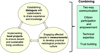 |
Fig. 1 Outline of the co-expertise process, based on three pillars namely dialogue, measurements and local projects. |
4 The measurement activities of the NPO-FD
4.1 The OpenRadiation project
4.1.1 The ANCCLI/NPO cooperation
NPO-FD has long-standing ties with the French organization ANCCLI (see Box 1). After the ANCCLI director participated in the 23rd Fukushima Dialogue in November 2021 (Ando et al., 2023), exchanges led to an official visit of ANCCLI members in Fukushima in spring 2024. During the visit, the ANCCLI delegation toured affected areas and provided NPO-FD with eight Openradiation sensors to facilitate citizen measurements of ambient radioactivity.
In September 2024, the ANCCLI director joined the newly created NPO-FD Advisory Committee, which advises on activities and partnerships. At its third meeting in January 2025, ANCCLI announced plans for a cooperation agreement between NPO-FD and selected French CLIs to conduct measurements around French nuclear power plants and compare results with Fukushima.
Short presentation of ANCCLI and CLIs.
The ANCCLI (National association of local information committees and commissions), is a French organization that brings together local information committees and commissions (CLIs) related to nuclear facilities. The ANCCLI’s missions are primarily focused on transparency, information and public participation regarding nuclear facilities.
It coordinates and supports the CLIs which are responsible for informing local population about the activities of nuclear facilities. It promotes the dissemination of clear and accessible information on the risks, safety, radiation protection and environmental impact associated with nuclear facilities. The ANCCLI facilitates dialogue between nuclear operators, authorities, elected officials, experts and citizens to improve understanding and management of nuclear-related issues. It contributes to monitoring issues of nuclear safety, radiation protection and waste management, drawing on technical and scientific expertise.
The ANCCLI represents the CLI before national and international institutions to defend the interests of the local population concerned.
Altogether these missions aim to strengthen local democracy and security around nuclear facilities.
4.1.2 The first common action between ANCCLI and the NPO-FD
To mark the United Nations International Disaster Risk Reduction Day (held annually on 13th October) which promote a global culture of risk awareness and disaster reduction, NPO-FD and ANCCLI conducted in October 2024 joint measurements of ambient equivalent dose rates using Geiger-Müller counters (Rium GM) compatible with the OpenRadiation application (Bottollier-Depois et al., 2019). Volunteers followed standardized procedures, uploading OpenRadiation measurements on the interactive map. Results were analyzed using descriptive statistics. Normality of distribution was tested using the Shapiro-Wilk test. For comparison between groups, the rank sum test was used, with a significance threshold set at p < 0.05.
Between October 11th–21th, 2024, 27 ambient equivalent dose rate measurements were made in France in Pyrenees mountains, Brretagne, Orleans (close to the Dampierre NPP), Dunkerque (close to the Gravelines NPP) and Valduc (close to a nuclear research center), while technical issues limited NPO-FD to only one measurement. To compensate this unbalanced situations, all Fukushima NPO-FD data made with Open Radiation between September and December 2024 in Kasturao, Kobito no Mori and on the Fukushima Coastal Trail at the requests of the local population were included in the analysis. Figures 2 and 3 present the locations of the measurement places in Fukushima Prefecture and in France and Figure 4 presents the results, as median value and percentiles (rounded symbols represent outliers) which revealed no significant differences between France and Fukushima. French data showed a wide distribution (0.083–2.401 μSv·h⁻¹), with 33% of French values above the reference value of 0.23 μSv·h⁻¹ equivalent to an additional dose of 1 mSv assuming different exposure time indoors and outdoors defined by the Japanese authorities (Ministry of the Environment, 2023), mostly in naturally high-background regions such as Bretagne and the Pyrenees mountains.
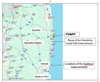 |
Fig. 2 Locations of the measurements implemented by the FDNPO in Japan. |
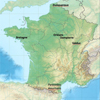 |
Fig. 3 Locations of the measurements implemented by ANCCLI in France. |
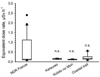 |
Fig. 4 Results of measurements performed by ANCCLI in France and FD-NPO in Fukushima Prefecture between September and December 2024. |
4.1.3 The local measurements made at the service of the population
Following the receipt of the Open Radiation dosimeters, the NPO-FD was requested by various individuals or organizations to carry out measurements in different localities of the Fukushima Prefecture affected by the nuclear accident (Fig. 2). The following paragraphs briefly present the contexts and results of the measurements. All measurements have been done together with the requesting individuals.
4.1.3.1 The Katsurao Collective project
The Katsurao Collective project is run by a group of private facilitators that hosts artists for short stays in Katsurao Village and organizes workshops and related activities (Katsuaro Collective, 2025) (Fig. 5). These initiatives are supported by the Katsurao municipality with funds from the Reconstruction Agency for recovery. Most participating artists come from outside Fukushima Prefecture, with limited knowledge of local radiological conditions, and some expressed concern about radiation levels. In response, the Collective rented four OpenRadiation devices to conduct measurements during its activities. This practice reflects the belief, shared by a staff member, that citizen-led radiation monitoring complements official measurements, thereby enhancing reliability and leaving a meaningful legacy for future generations.
Between June 6th and June 16th 2025 the Katsurao Collective facilitators performed eight measurements, showing ambient equivalent dose rates of 0.127–0.196 μSv.h⁻¹ (Fig. 5), below the government’s threshold of 0.230 μSv.h⁻¹, equivalent to an additional annual dose of 1 mSv (Ministry of the Environment, 2023). For comparison, visiting artists conducted 18 measurements in the Katsurao area, with results ranging from 0.078–0.230 μSv.h⁻¹, similar to those of the Collective. The highest dose rate was recorded in a forest a few kilometers north of Katsurao.
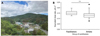 |
Fig. 5 A. Katsurao village. B. Results of measurements made by Katsurao Collective facilitators and the visiting artists in the Katsurao area, extracted from the OpenRadiation website. Results are given as median and percentiles (5%, 25%, median, 75% and 95%). Black dots are outliers. No statistical difference is observed between these two groups of results (Rank Sum test, p=0.052, n.s.). |
4.1.3.2 The ‘Kobito no Mori’ project
In preparation for opening a nature experience activity in Kaidomari-Tabitomachi, in southern Iwaki City in spring 2025, the private site owner requested NPO-FD’s assistance to assess residual radioactivity and provide accurate information to future visitors. The facility, designed for both children and adults to engage with nature, opened in spring 2025 OpenRadiation measurements were conducted on July 11th 2024.
As with the previous action, results were retrieved from the OpenRadiation database. Recorded dose rates ranged from 0.095 to 0.167 μSv.h⁻¹, with a median of 0.112 μSv.h⁻¹ (Fig. 6). These values are well below the government’s recommended limit of 0.230 μSv.h⁻¹, equivalent to an additional annual dose of 1 mSv (Ministry of Environment, 2023). However, no other measurements were published in the database within a 5 km radius of the planned facility, Kobito no Mori, during this period.
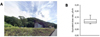 |
Fig. 6 A. Picture of the Kobito no Mori site. B. Results of the nine measurements given as median and percentiles made in the nature experience place in Kobito no Mori, extracted from the OpenRadiation website. |
4.1.3.3 The ‘Fukushima Coastal Trail’ project
The Fukushima Coastal trail close to the FDNPP (Fig. 2) was launched in 2023, connecting to the Michinoku Coastal Trail in the south of the FDNPP previously initiated in 2019 by the Ministry of Environment of Japan to support the recovery process along the coast of the Pacific Ocean in the Tohoku region devastated by the huge tsunami in March 2011. The Fukushima Coastal Trail route experienced significant delays in some parts due to the prolonged evacuation orders around the Fukushima Daiichi Nuclear Power Plant. Two OpenRadiation sensors have been sent by the NPO-FD to the Fukushima Coastal Trail Association (FCTA). Measurements were carried out between October 19th, 2024, and January 12th, 2025, by the FCTA (Fig. 7).
A total of 10 measurements were made during the period, at different places along the Fukushima Coastal Trail. Results from Fukushima Coastal Trail Association showed a mean ± SD of 0.212 ± 0.142 μSv per hour and a large dispersion of the results, with 30% of the results being above 0.230 μSv per hour (Fig. 7B). This is explained by the Fukushima Coastal Trail running close to the Fukushima Daiichi NPP and through some areas with a high natural background level. The highest measurement result was made close to the Tomioka city, with a value of 0.564 μSv per hour.
Since the Fukushima Daiichi NPP is frequently visited, there is a high number of measurements available in the OpenRadiation database. A total of 328 measurements were recorded during the period from October 10th, 2024, to January 12th, 2025, due to 11 different contributors visiting this area (Fig. 7B). The mean ± standard deviation of these visitors’ results is 0,455 ± 0,538 μSv per hour, again with a large dispersion of results (range: 0.064–3,134 μSv per hour) (Fig. 7C). However, the comparison with results from FCTA did not show a significant difference (Rank sum test, p = 0.340, n.s.).
When looking at the distribution of results (Fig. 6B), 40% of all the results are above the value of 0.23 μSvper hour. Most of the results above this value are distributed in the 10 km radius around the Fukushima Daiichi NPP, but also in the Shimotsushima area, a forest area in the mountains north-east of the NPP. The comparison of measurement results from FCTA and visitors are consistent.
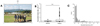 |
Fig. 7 A. Photo of people walking along the Fukushima Coastal Trail. B. FCTA and NPOFD measurements presented as median value and percentiles compared to measurements made by other people (visitors) in the Fukushima area. Rounded symbols represent outliers. The horizontal dashed line indicates the value of 0.23 μSv per hour and C. Frequency distribution of pooled data available in this area during the study period. The vertical dashed line indicates the value of 0.23 μSv.h−1. |
4.2 The Suetsugi project
In November 2023, NPO-FD members met with Suetsugi residents to review lessons learned from the co-expertise process conducted between 2012 and 2019 (Lochard et al., 2020; Ethos in Fukushima, 2022) (Fig. 8). During the meeting, a resident raised concerns about the discharge of treated water containing tritium from the Fukushima Daiichi Nuclear Power Plant into the Pacific Ocean. While acknowledging tritium dilution offshore, he questioned whether tritium could re-concentrate in nearby bays. Neither experts nor residents could answer definitively, leading to a joint decision to begin seawater monitoring.
Because tritium measurement requires specialized equipment unavailable to NPO-FD, Professor Yuji Torikai of Ibaraki University agreed to cooperate with residents and the NPO. In April 2024, a measurement campaign of tritium in sea water was carried out with local participants selecting sampling sites on the Suetsugi coast in consultation with university experts from the Ibaraki University (Figs. 2 and 9A). Results showed low concentrations due to dilution, with no significant differences before and after discharges. These findings were confirmed over time, providing reassurance to residents (TEPCO, 2024).
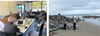 |
Fig. 8 A. The november 2023 meeting in Suetsugi. B. Sample collection by participants in April 2024. |
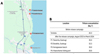 |
Fig. 9 A. Map of sampling sites in Suetsugi located approximately 30 km south of the FDNPP (see Fig. 2). B. Results of the measurements of tritium activity in the sea before and after the release campaign on the Suetsugi coast. Between August 2023 and March 2024, TEPCO company made 4 discharges of tritiated water in the ocean off the coast of Tomioka, just south of FDNPP (TEPCO, 2024). |
5 Discussion
Given the results of the recent NPO-FD’s measurements with Open Radiation, two questions arise: 1- is it worth conducting more measurements given the low ambient radiation levels recorded in daily environments?, and 2- is it necessary to multiply citizen-based measurements when municipalities and public authorities already publish extensive data year-round?
Despite this paradox, NPO-FD considers that it is important to continue the monitoring activities, 14 years after the accident, for several reasons. Recent surveys indicate declining concern about radiation across Fukushima Prefecture, with levels now lower than in other regions (Murakami et al., 2016; Mitsubishi Research Institute, 2023). Yet other studies show persistent anxiety among specific groups, notably mothers who gave birth in 2011–2012 and people directly affected by the earthquake, evacuation, or loss of housing (Ishii et al., 2022; Takebayashi et al., 2017; Fukasawa et al., 2022). Research on reproductive anxiety has also highlighted gendered differences in perception: men in Fukushima generally report more confidence in their knowledge and greater belief in limited health effects of radiation (Ito et al., 2024). Earlier studies likewise noted polarization in risk perception (Murakami et al., 2016). Thus, while overall fear has declined, divergences between groups remain and in some cases have widened.
These differences make it difficult to address radiation issues in affected communities. Follow-up interviews with OpenRadiation users revealed that many participants lacked opportunities to discuss their concerns, or felt unable to do so. Such communication barriers suggest a deterioration of living conditions beyond direct fear of exposure.
Official responses to inquiries often remain vague or euphemistic, reinforcing frustration and uncertainty. Many residents remain poorly informed about radiation impacts and yet fear speaking out. Even those with good knowledge may avoid discussing the issue, believing there is little cause for alarm. Questioning the safety of food products, for instance, risks being seen as damaging Fukushima’s reputation. Producers and entrepreneurs likewise avoid raising concerns to protect their business or avoid scrutiny by authorities. NPO-FD observed that residents concerned about radiation rarely find a safe space to express their questions.
Government efforts to attract new residents to Futaba County have led to a sharp rise in in-migration, further increasing the need to share knowledge about radiation. These newcomers differ widely in awareness and perceptions, and many lack direct experience of the nuclear accident, making it increasingly difficult to establish a shared understanding of residual contamination.
In recent discussions, NPO-FD members noted that residents, including newcomers, found it difficult to talk about radiation. While most people did not believe that local radiation posed any health risks, a lingering unease cast a shadow of uncertainty over the future, echoing feelings immediately following the accident. Moreover, the radiological situation remains problematic in areas not yet decontaminated. NPO-FD visited Namie residents whose homes lie in the mountainous “Specified Basic Areas for Reconstruction and Revitalization.” Evacuated in 2011 and still living elsewhere, many face the dilemma of returning after evacuation orders were partially lifted in March 2023. Because their homes had deteriorated during evacuation, most opted for demolition rather than resettlement, citing ambient contamination. Such cases where decontamination is difficult raise questions of equity regarding residual exposure and place heavy pressure on residents. Here, measurements help inform decisions about daily life and future living conditions.
Another strong motivation for citizen measurement is the desire to respond credibly to questions from outsiders about local dose rates. Survey data also show that, nationwide, concern about long-term health effects for future generations remains higher than within Fukushima itself (Mitsubishi Research Institute, 2023)
This complex context led NPO-FD to collaborate with experts, such as in tritium monitoring, and to acquire tools to respond to residents’ requests for measurements. Past experience has shown that radiation monitoring fosters confidence in recovery efforts, even more than three decades after an accident (Bertho et al., 2019). Recent studies also highlight that action-oriented engagement enhances psychological resilience, with autonomous decision-making serving as a protective factor against depression. These positive effects can persist more than ten years after disaster (Kobayashi et al., 2022; Sasaki et al., 2022). Cooperation with ANCCLI, an organization experienced in radiation measurement and stakeholder dialogue, also reinforced NPO-FD’s decision.
6 Concluding remarks
Given the current stage of recovery in Fukushima Prefecture, NPO-FD believes that promoting radiation measurements as part of the co-expertise process is vital for helping residents build a practical culture of radiation protection and make informed decisions for themselves and their families. These efforts complement those of public authorities, particularly Fukushima Prefecture and affected municipalities. More than simply providing information, they enable residents to (re)gain control over their lives individually and collectively by fostering open, supportive spaces where concerns about radioactivity and its management in daily life can be shared. Thus, radiation measurements as part of the co-expertise process should be included in guidelines for nuclear accident recovery (Canet et al., 2024).
In practice, authorities and experts often treat residents’ concerns as isolated issues, though many are shared across communities. Yet residents frequently hesitate to voice these concerns, lacking spaces where they feel safe discussing them with others. Community fragmentation, compounded by the presence of radioactivity, itself fuels anxiety. Implementing measurements through co-expertise, carried out directly by residents with expert support, offers a framework where people can both express themselves and build trustful relationships with experts and authorities. This is particularly important for the future of affected municipalities, especially as more young people move into previously evacuated areas, encouraged by local governments’ efforts to attract newcomers.
Acknowledgments
The authors express their sincere gratitude to all the residents and experts who participated in the measurements in the affected areas of Fukushima as part of the NPO-FD projects, and in particular to Professor Yuji Torikai and his team for their intervention in Suetsugi. They would also like to thank the team in charge of the OpenRadiation project at ASNR for their technical support, as well as the members of the CLIs who participated in the measurements in France.
Funding
This work was supported by NPO Fukushima Dialogue, Japan, the OpenRadiation consortium, France and the French Nuclear Safety and Radiation Protection Authority (ASNR) under program #D3/P15/05/03.
Conflicts of interest
The authors declare that they have no conflict of interest.
Data availability statement
The research data associated with this article are included within the article.
Author contribution statement
R. Ando, J. Lochard, J.M. Bertho: conceptualization and draft manuscript writing. Y. Lheureux, D. Sasaki, T. Schneider internal reviewing and finalization of the manuscript.
Ethics approval
Ethical approval was not required.
Informed consent
This article does not contain any studies involving human subjects.
References
- ANCCLI, 2025. https://www.anccli.org (Accessed 11/01/26). [Google Scholar]
- Ando R, Koyama R, Schneider T, Lecomte J-F, Isse M, Koyama Y. 2023. Report on the 23rd Fukushima Dialogue:“ Thinking together about issues of Fukushima Daiichi treated water”. Radioprotection 58(1): 5–10. https://doi.org/10.1051/radiopro/2023004 [CrossRef] [EDP Sciences] [Google Scholar]
- Bertho JM, Maître M, Croüail P, Naito W, Shkliarava N, Mostovenko A, Jones K, Simon-Cornu M. 2019. Assessment of population radiation exposure at the edge of the exclusion zone 32 years after the Chernobyl accident: methods and preliminary results. Radioprotection 54(4): 247–257. [CrossRef] [EDP Sciences] [Google Scholar]
- Bottollier-Depois JF, Trompier F, Darley G, Lejeune V, Lajouanine C, Maximin A, Simon C, Allain E. 2017. OpenRadiation Full details at https://doi.org/10.57876/FY5Y-Q998 [Google Scholar]
- Bottollier-Depois JF, Allain E, Baumont G, Berthelot N, Darley G, Ecrabet F, Jolivet T, Lebeau-Livé A, Lejeune V, Quéinnec F, Simon C, Trompier F. 2019. The OpenRadiation project: monitoring radioactivity in the environment by and for the citizens. Radioprotection 54(4): 241–246. [CrossRef] [EDP Sciences] [Google Scholar]
- Canet L, Takada M, Yasutaka Y. 2024. Comparative qualitative and quantitative analysis of guidelines for nuclear accident recovery. Radioprotection 59(2): 69–79. [CrossRef] [EDP Sciences] [Google Scholar]
- Ethos in Fukushima. 2022. Suetsugi Atlas 2011-2020: A record of struggle for reclaiming life in the district at boundary, 27 km from the NPP (in Japanese) Ethos in Fukushima, 2022. [Google Scholar]
- Fukasawa M, Umeda M, Akiyama T, Horikosh N, Yasumura S, Yabe H, Suzuki Y, Bromet EJ, Kawakami N. 2022. Worry about radiation and its risk factors five to ten years after the Fukushima nuclear power plant disaster. Int J Environ Res Public Health 19(24): Article 24. https://doi.org/10.3390/ijerph192416943 [Google Scholar]
- Fukushima Dialogue, 2025. https://fukushima-dialogue.jp/en/ (Accessed 11/01/26). [Google Scholar]
- Hande V, rita M, Matsunaga H, Kashiwasaki Y, Xiao X, Schneider T, Lochard J, Taira Y. 2023. Thoughts, perceptions and concerns of coastal residents regarding the discharge of tritium-containing treated water from the Fukushima Daiichi Nuclear Power Plant into the Pacific Ocean. BMC Public Health Dec 6;23(1). [Google Scholar]
- Hériard Dubreuil G, Lochard J, Girard P, Guyonnet JF, Le Cardinal G, Lepicard S, Livolsi P, Monroy M, Ollagnon H, Pena-Vega A, Pupin V, Rigby J, Rolevitch I, Schneider T. 1999. Chernobyl post-accident management: The ETHOS project. Health Phys 77: 361–372. [Google Scholar]
- ICRP, 2020. Radiological protection of people and the environment in the event of a large nuclear accident: update of ICRP Publications 109 and 111. ICRP Publication 146. Ann. ICRP 49(4). [Google Scholar]
- Igarashi Y. 2022. The Round-Table project in Kashiwa: a dialogue to reconcile consumers and farmers in the Tokyo suburbs after the Fukushima accident. Radioprotection 57: 209–215. [CrossRef] [EDP Sciences] [Google Scholar]
- Ishii K, Goto A, Yoshida-Komiya H, Ohira T, Fujimori K. 2022. Postpartum Mental Health of Mothers in Fukushima: Insights from the Fukushima Health Management Survey’s 8-year Trends. J Epidemiol 32(Suppl_XII): S64–S75. https://doi.org/10.2188/jea.JE20210385 [CrossRef] [PubMed] [Google Scholar]
- Ito S, Goto A. 2024. Comparative analysis of gender and prefecture-based attitudes toward future parenthood following the Fukushima Daiichi Nuclear Power Plant accident. Radioprotection 59(2): 95–103. https://doi.org/10.1051/radiopro/2023045 [Google Scholar]
- Katsurao Collective. https://katsurao-collective.com/katsurao-collective [Google Scholar]
- Kobayashi T, Maeda M, Nakayama C, Takebayashi Y, Sato H, Setou N, Momoi M, Horikoshi N, Yasumura S, Ohto H. 2022. Disaster resilience reduces radiation-related anxiety among affected people 10 years after the Fukushima Daiichi nuclear power plant accident. Front Public Health 10: 839442. https://doi.org/10.3389/fpubh.2022.839442 [Google Scholar]
- Lochard J. 2013. Stakeholder engagement in regaining decent living conditions after Chernobyl. In: Social and Ethical Aspects of Radiation Risk Management (D. Oughton, S.O. Hansson, Eds.). Radioactivity in the Environment Vol. 9, pp. 311–331. Elsevier. [CrossRef] [Google Scholar]
- Lochard J, Ando R, Takagi H, Momma M, Miyazaki M, Kuroda Y, Kosumoto T, Endo M, Endo S, Koyama Y. 2020. The post-nuclear accident co-expertise experience of the Suetsugi community in Fukushima Prefecture. Radioprotection 55(3): 225–235. [CrossRef] [EDP Sciences] [Google Scholar]
- Lochard J, Schneider T, Ando R, Niwa O, Clement C, Lecomte JF, Tada J. 2019. An overview of the dialogue meetings initiated by ICRP in Japan after the Fukushima accident. Radioprotection 54(2): 87–101. [CrossRef] [EDP Sciences] [Google Scholar]
- Ministry of the Environment. 2023. Booklet to Provide Basic Information Regarding Health Effects of Radiation. https://www.env.go.jp/en/chemi/rhm/basic-info/2023/02-04-11.html [Google Scholar]
- Mitsubishi Research Institute. 2023. Comparison of perceptions of Tokyo and Fukushima residents regarding the earthquake and reconstruction: Report on the 6th survey (2023). Mitsubishi Research Institute. https://www.mri.co.jp/knowledge/column/jdvs5f0000004mt9-att/mtr_fukushima_202403.pdf (in Japanese) [Google Scholar]
- Miyai Y, Ando R, Arai T. 2018. Regaining Confidence after the Fukushima Accident: the Story of the Suetsugi Community. Video.: https://www.youtube.com/watch?v=L_ZhjixM6oM. [Google Scholar]
- Murakami M, Nakatani J, Oki T. 2016. Evaluation of risk perception and risk-comparison information regarding dietary radionuclides after the 2011 Fukushima nuclear power plant accident. PloS One 11(11): e0165594. [Google Scholar]
- Nakayama J, Kawano H, Kobayashi T. 2021. Public attitudes ten years after the Great East Japan Earthquake as seen in opinion polls: Based on the results of the “Survey on attitudes toward recovery, ten years after the Great East Japan Earthquake.” NHK Broadcasting Studies and Research, pp. 28–57. (in Japanese) [Google Scholar]
- Renn O. 1999. A model for an analytic-deliberative process in risk management. Environ Sci Technol 33(18): 3049–3055. [Google Scholar]
- Sasaki M, Kobayashi K, Ichikawa Y, Ando T, Kayama Y. 2022. Mental health of mothers raising young children under earthquake and radiation disaster conditions: a study based on data collected three years after the Fukushima Daiichi Nuclear Power Plant accident. Japan J Develop Psychol 33(2): 76–88. https://doi.org/10.11201/jjdp.33.76 (in Japanese) [Google Scholar]
- Schneider T, Lochard J. 2021. Supporting societal and economic dynamic of recovery: Lessons from Chernobyl and Fukushima. In: Proceedings of the ICRP International Conference on Recovery after Nuclear Accident: Radiological Protection Lessons from Fukushima and Beyond. Ann ICRP 50(S1): 68–73. [Google Scholar]
- Takamura N, Orita M, Taira SY, Fukushima Y, Yamashita S. 2018. Recovery from nuclear disaster in Fukushima: collaboration model. Radiat Prot Dosimetry 182: 49–52. [CrossRef] [PubMed] [Google Scholar]
- Takebayashi Y, Lyamzina Y, Suzuki Y, Murakami M. 2017. Risk perception and anxiety regarding radiation after the 2011 Fukushima nuclear power plant accident: a systematic qualitative review. Int J Environ Res Public Health 14(11). https://doi.org/10.3390/ijerph14111306 [Google Scholar]
- TEPCO. 2023. Treated water portal site. Discharge history : FY2023 Sea Area Monitoring Results (concentrations of tritium in seawater). https://www.tepco.co.jp/en/decommission/progress/watertreatment/performance_of_discharges/2023/index-e.html [Google Scholar]
- TEPCO. 2024. Treated water portal site. Discharge history: FY2024 Sea Area Monitoring Results (concentrations of tritium in seawater). https://www.tepco.co.jp/en/decommission/progress/watertreatment/performance_of_discharges/2024/index-e.htm [Google Scholar]
- Thu Zar W, Lochard J, Taira Y, Takamura N, Orita M, Matsunaga H. 2022. Risk communication in the recovery phase after a nuclear accident: the contribution of the “co-expertise process”. Radioprotection 57(4): 281–288. [CrossRef] [EDP Sciences] [Google Scholar]
- Thu Zar W, Hande V, Orita M, Matsunaga H, Lochard J, Schneider T, Takamura N. 2025. Concerns and knowledge-seeking behavior among Futaba residents after the Fukushima nuclear disaster: insights from qualitative and quantitative analyses. Radioprotection. in press https://doi.org/10.1051/radiopro/2025016 [Google Scholar]
- United Nations. 2015. Sendaï framework for disaster risk reduction 2015-2030. Resolution A/RES/69/283 adopted by the general assembly on June 3rd, 2015. [Google Scholar]
- United Nations. 1989. International decade for natural disaster reduction. Resolution A/RES/44/236 adopted by the general assembly on December 22th, 1989. [Google Scholar]
- Yasutaka T, Kanai Y. 2020. Dialogue, radiation measurements and other collaborative practices by experts and residents in the former evacuation areas of Fukushima: a case study in Yamakiya District, Kawamata Town. Radioprotection 55: 215–224. [CrossRef] [EDP Sciences] [Google Scholar]
Cite this article as: Ando R, Lochard J, Bertho J.M, Lheureux Y, Sasaki D, Schneider T. 2026. The measurement activities of the non-profit organization Fukushima dialogue in Japan. Radioprotection 61(1): 13–21. https://doi.org/10.1051/radiopro/2025047
All Figures
|
Fig. 1 Outline of the co-expertise process, based on three pillars namely dialogue, measurements and local projects. |
| In the text | |
|
Fig. 2 Locations of the measurements implemented by the FDNPO in Japan. |
| In the text | |
|
Fig. 3 Locations of the measurements implemented by ANCCLI in France. |
| In the text | |
|
Fig. 4 Results of measurements performed by ANCCLI in France and FD-NPO in Fukushima Prefecture between September and December 2024. |
| In the text | |
|
Fig. 5 A. Katsurao village. B. Results of measurements made by Katsurao Collective facilitators and the visiting artists in the Katsurao area, extracted from the OpenRadiation website. Results are given as median and percentiles (5%, 25%, median, 75% and 95%). Black dots are outliers. No statistical difference is observed between these two groups of results (Rank Sum test, p=0.052, n.s.). |
| In the text | |
|
Fig. 6 A. Picture of the Kobito no Mori site. B. Results of the nine measurements given as median and percentiles made in the nature experience place in Kobito no Mori, extracted from the OpenRadiation website. |
| In the text | |
|
Fig. 7 A. Photo of people walking along the Fukushima Coastal Trail. B. FCTA and NPOFD measurements presented as median value and percentiles compared to measurements made by other people (visitors) in the Fukushima area. Rounded symbols represent outliers. The horizontal dashed line indicates the value of 0.23 μSv per hour and C. Frequency distribution of pooled data available in this area during the study period. The vertical dashed line indicates the value of 0.23 μSv.h−1. |
| In the text | |
|
Fig. 8 A. The november 2023 meeting in Suetsugi. B. Sample collection by participants in April 2024. |
| In the text | |
|
Fig. 9 A. Map of sampling sites in Suetsugi located approximately 30 km south of the FDNPP (see Fig. 2). B. Results of the measurements of tritium activity in the sea before and after the release campaign on the Suetsugi coast. Between August 2023 and March 2024, TEPCO company made 4 discharges of tritiated water in the ocean off the coast of Tomioka, just south of FDNPP (TEPCO, 2024). |
| In the text | |
Current usage metrics show cumulative count of Article Views (full-text article views including HTML views, PDF and ePub downloads, according to the available data) and Abstracts Views on Vision4Press platform.
Data correspond to usage on the plateform after 2015. The current usage metrics is available 48-96 hours after online publication and is updated daily on week days.
Initial download of the metrics may take a while.